
The future of sustainable construction starts with CLT construction

What is CLT?
Cross-laminated timber construction, often referred to as CLT construction, is a modern building method that uses large, engineered timber panels to create walls, floors and roofs.
Cross-Laminated Timber (CLT) is an engineered timber material made by layering and bonding timber in alternating directions. The result is a structural system that is:
- strong and durable,
- highly precise (factory-made), and
- naturally warm and acoustic.
How does CLT work?
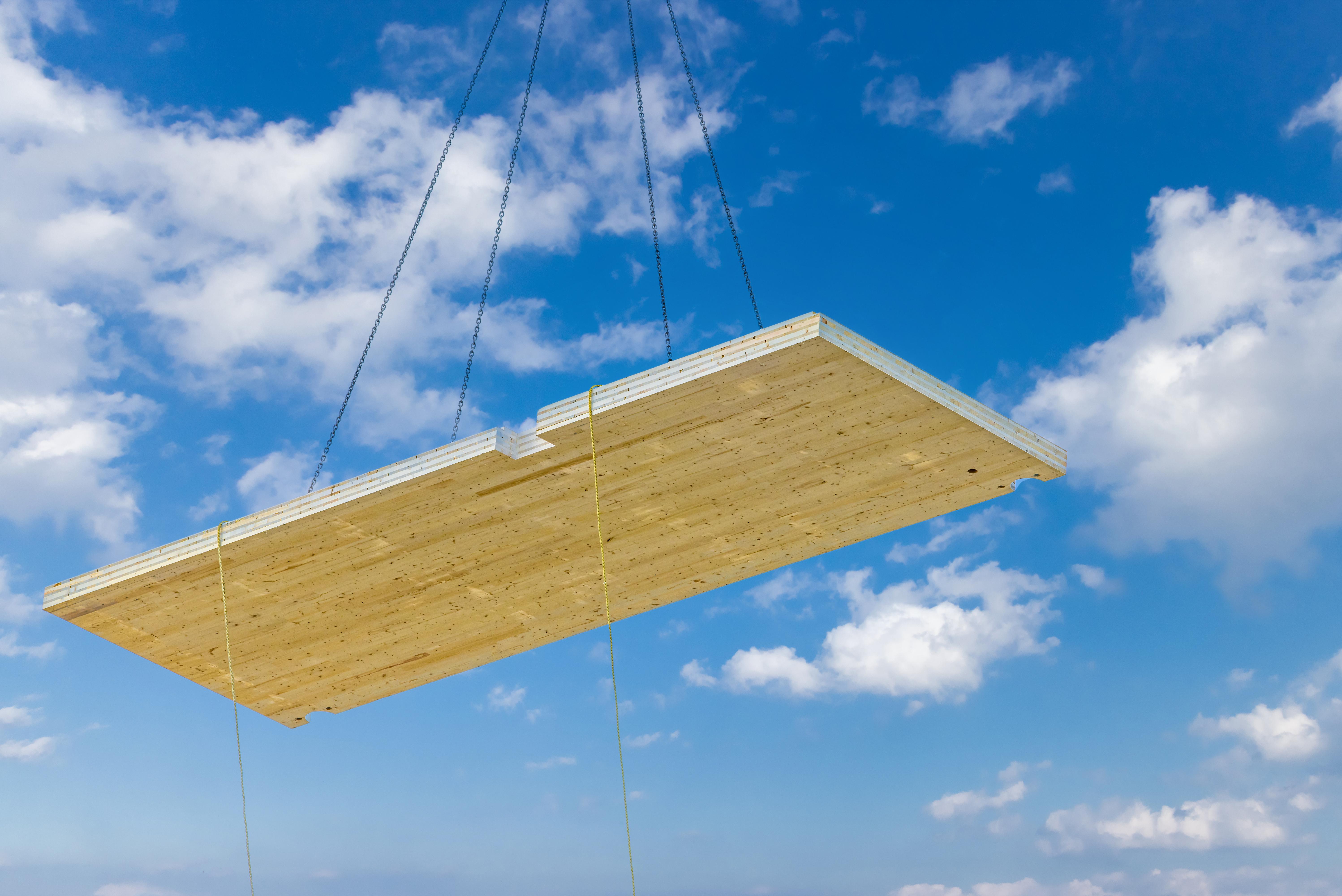
These panels are made by layering sections of timber at right angles and bonding them together under pressure, creating a solid, highly stable structural material with impressive strength and durability.
Because each timber layer is arranged perpendicular to the next, cross-laminated timber structures offers excellent dimensional stability and load-bearing performance. The result is a lightweight yet robust construction system that can be used across residential, commercial, education and public sector projects.
Get in touch

How is CLT used?
Cross-laminated timber is used as a structural building material for walls, floors, roofs and even stair or lift cores in a wide range of construction projects. The panels are strong, lightweight and precision-engineered, they can replace or work alongside traditional materials such as concrete and steel.
In residential developments, CLT framing is commonly used to create the structural framework of houses, apartment buildings and multi-storey housing schemes. The panels arrive on site pre-cut to exact dimensions, including openings for windows and doors, which helps speed up installation and improve build quality.
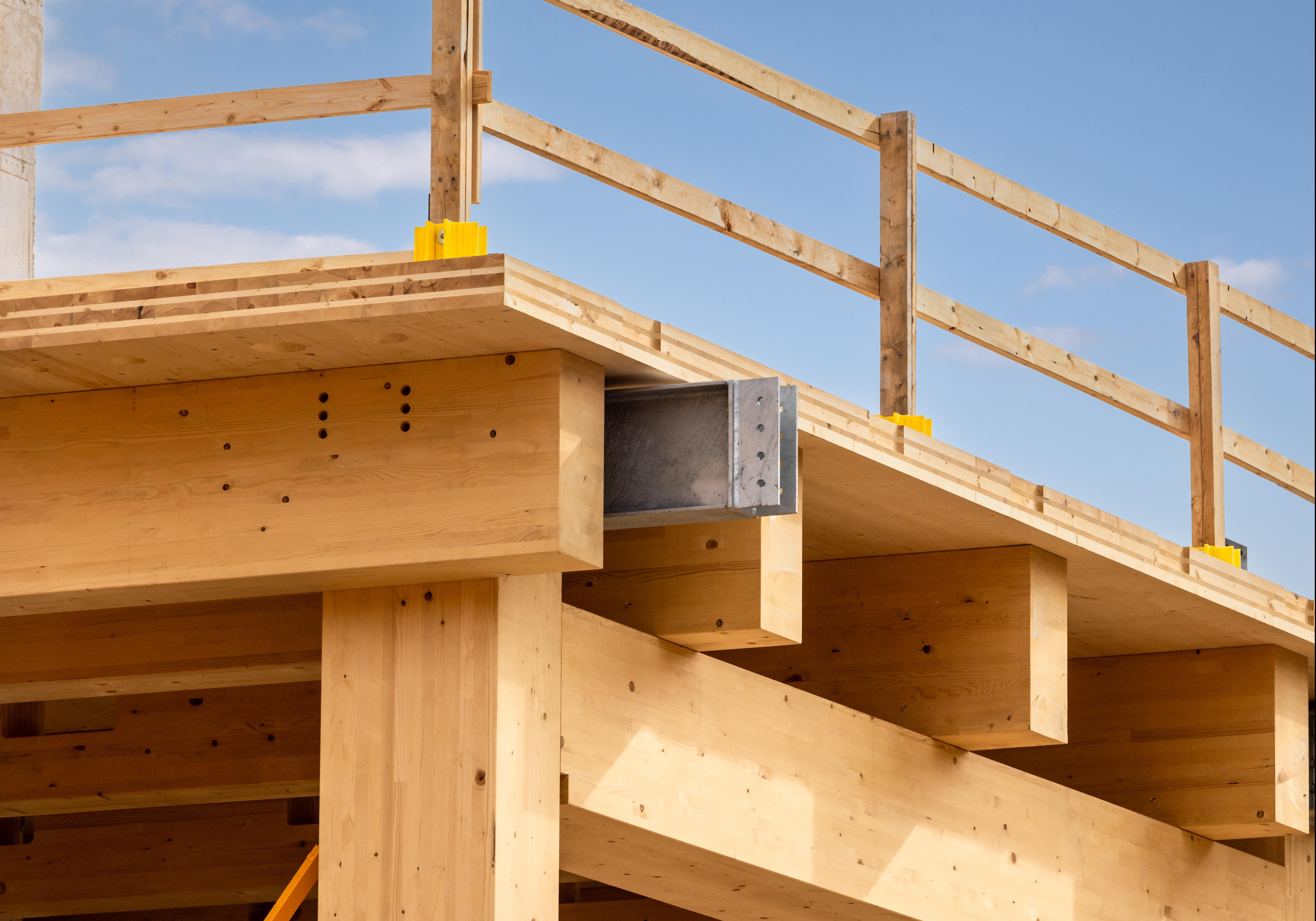
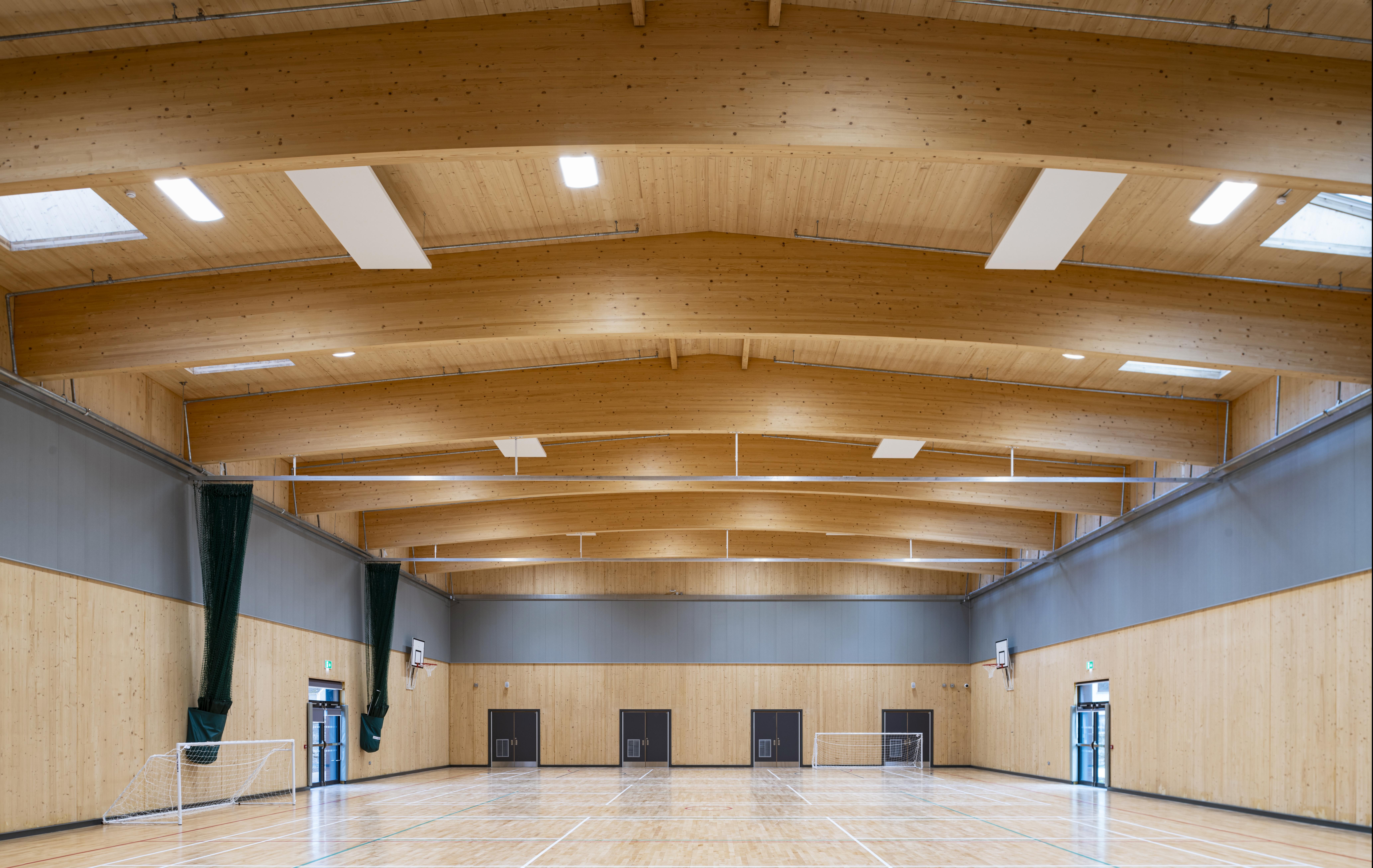
In commercial and public sector construction, CLT mass timber is often chosen for schools, offices, leisure facilities and healthcare buildings where sustainability, programme efficiency and visual appearance are key priorities. Large floor and wall panels allow buildings to be assembled quickly, reducing disruption on busy sites and shortening construction programmes.
CLT building systems is also regularly combined with other engineered timber products, such as glulam beams and columns, to create complete mass timber structures.
Get in touch

Benefits of using CLT
- Speed
- Sustainability
- Aesthetics
Speed is one of the biggest advantages of CLT construction projects. The panels are precision-manufactured off-site and delivered ready to install, helping reduce construction time, minimise waste and improve efficiency on site. The lighter weight of timber compared to concrete or steel can also reduce foundation requirements and simplify transportation and installation.
Sustainability is another key benefit. Timber is a renewable material, and responsibly sourced cross-laminated timber can help lower the embodied carbon of a building while supporting low-carbon design goals. Many developers and architects now see it as an important part of creating more environmentally responsible buildings.
Aesthetics: beyond performance, cross-laminated timber also creates warm, natural and visually striking spaces. Exposed timber interiors can create a beautiful look and feel in a building, while the engineered nature of CLT delivers the consistency and structural reliability required for large-scale projects.
As demand grows for sustainable and efficient construction methods, cross-laminated timber construction continues to play a major role in the future of modern timber engineering, combining structural strength, design flexibility and environmental performance in one innovative building solution.
Related products
Read more about our MASSLOGIC mass timber solutions, or our FUTUREFRAME open- and closed-panel solutions.

Explore our timber experience
Robertson Construction case studies


Robertson Timber Engineering overview
View an overview of our history, expertise and services.