
The steps we have taken on our journey to net zero
We continue to make measurable progress in reducing our environmental impact, improving resource efficiency and supporting the transition to a lower-carbon built environment.
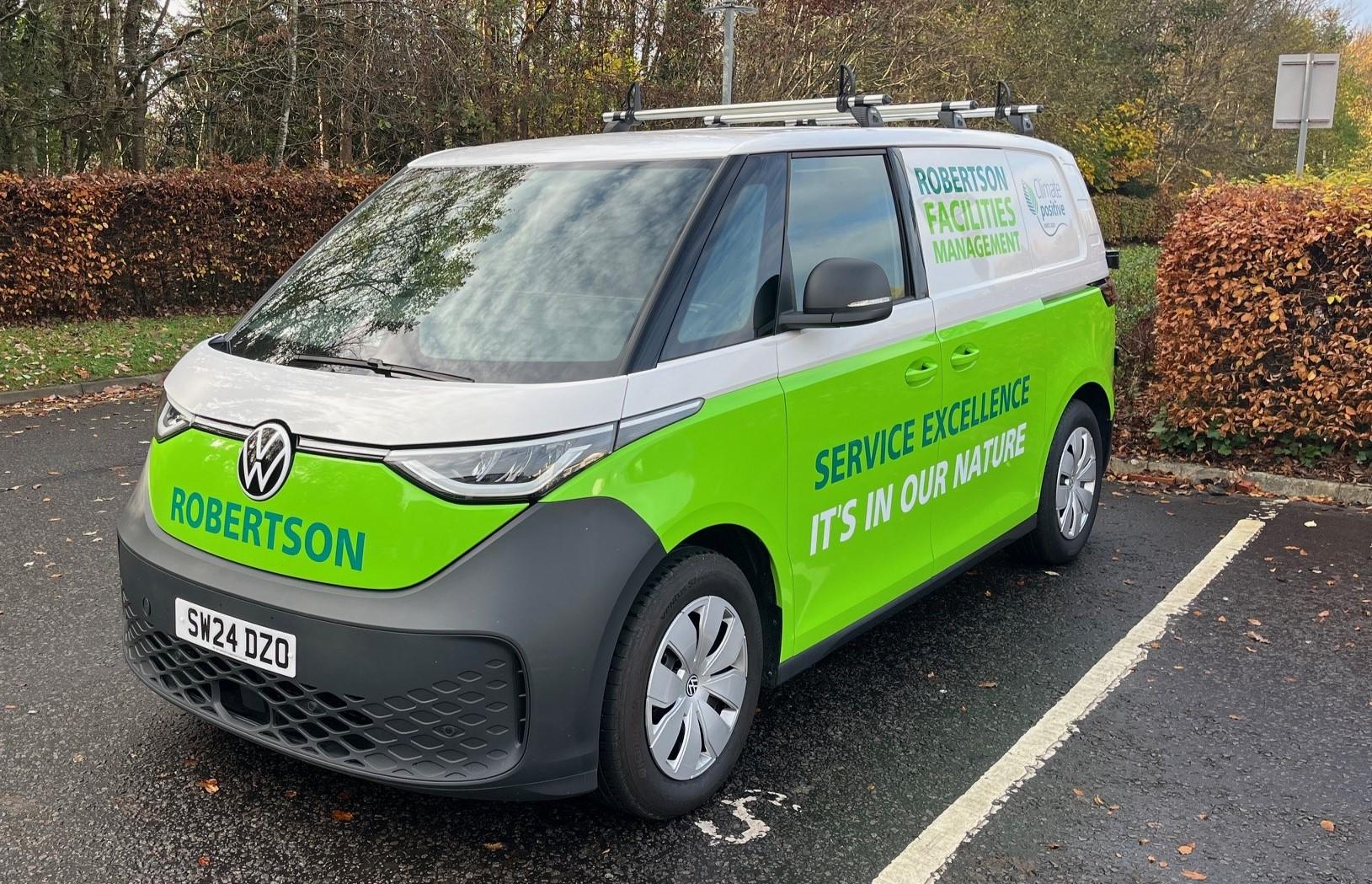
Emissions reduction
- Reduced our overall carbon intensity by 16.7% during 2025–26.
- Reduced carbon intensity by 85.4% against our original 2014–15 baseline scope.
- Reduced our operational carbon footprint by 4,847 tonnes since 2020.
- We continue to offset 11,024 tonnes of CO2e each year (our 2020 baseline emissions). Following further reductions, we now offset around 5,041 tonnes more carbon than we generate within our reporting scope, maintaining our climate positive position.
Climate advocacy
- Achieved Champion status through the Carbon Reduction Code, recognising our commitment to measuring, managing and reducing carbon emissions.
- Continue to work through our Sustainable Growth Agreement with SEPA to support environmental improvement and supply chain development.
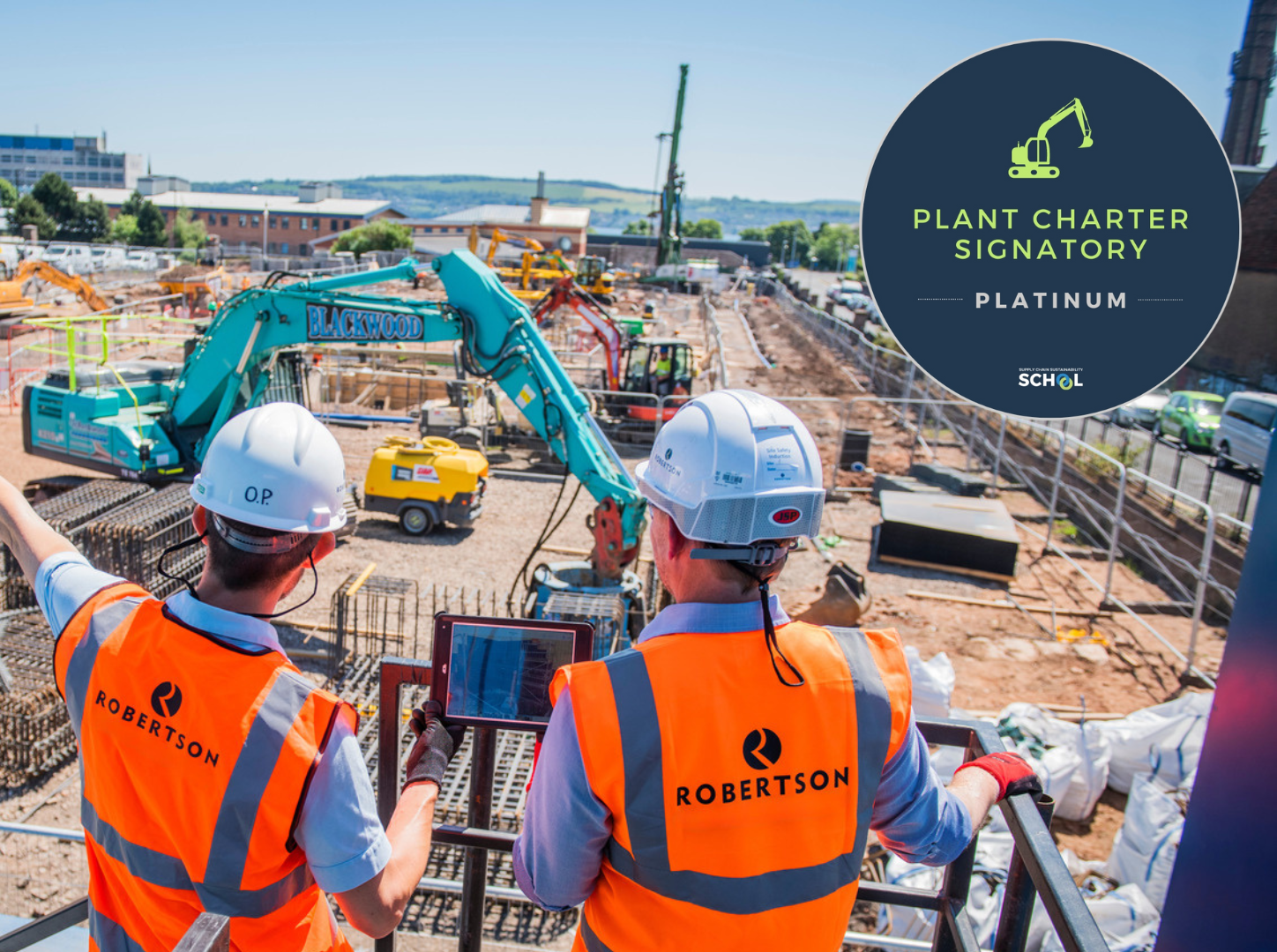
- Work with the Supply Chain Sustainability School to improve sustainability knowledge and capability across our preferred supply chain, delivering 3,925 training hours during 2025–26.
- Continue to support the wider transition to net zero through customer collaboration, industry partnerships and the delivery of lower-carbon buildings and infrastructure.
Internal development
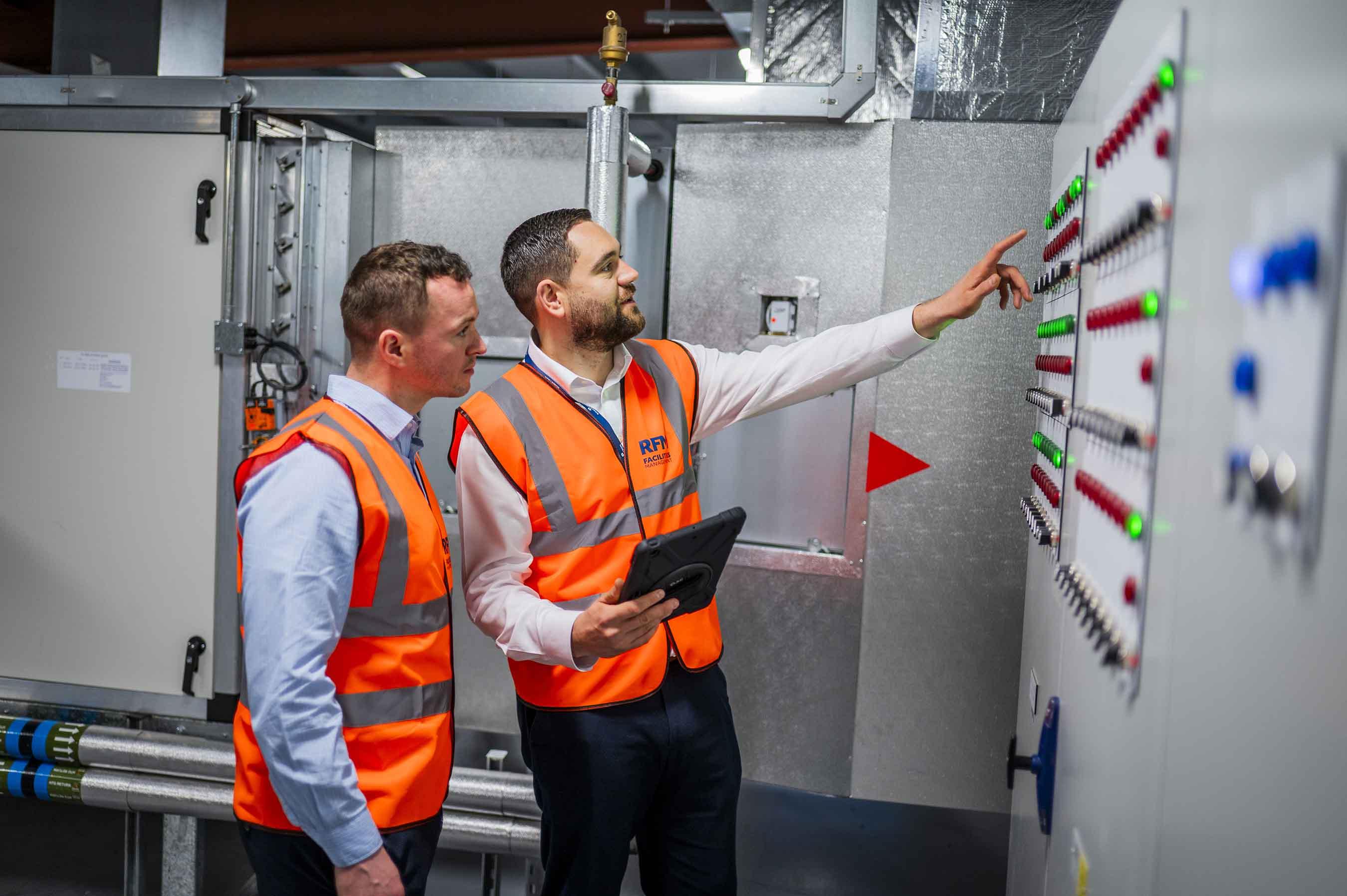
- Expanded Next Step Zero, our programme for building net zero knowledge and capability across Team Robertson.
- Established a network of Net Zero Champions across our business units to embed sustainability into everyday decision-making and share good practice.
- Introduced our Nature Positive programme to build knowledge and capability around biodiversity enhancement and nature-positive development.
- Continue to strengthen our approach through environmental management, improved data and performance reporting, alongside our ISO 14001 certified management system.
Sustainable procurement
Our Sustainable Procurement Forum brings together procurement, operational teams and supply chain partners to identify, test and scale practical ways of reducing environmental impact.
Recent activity includes:
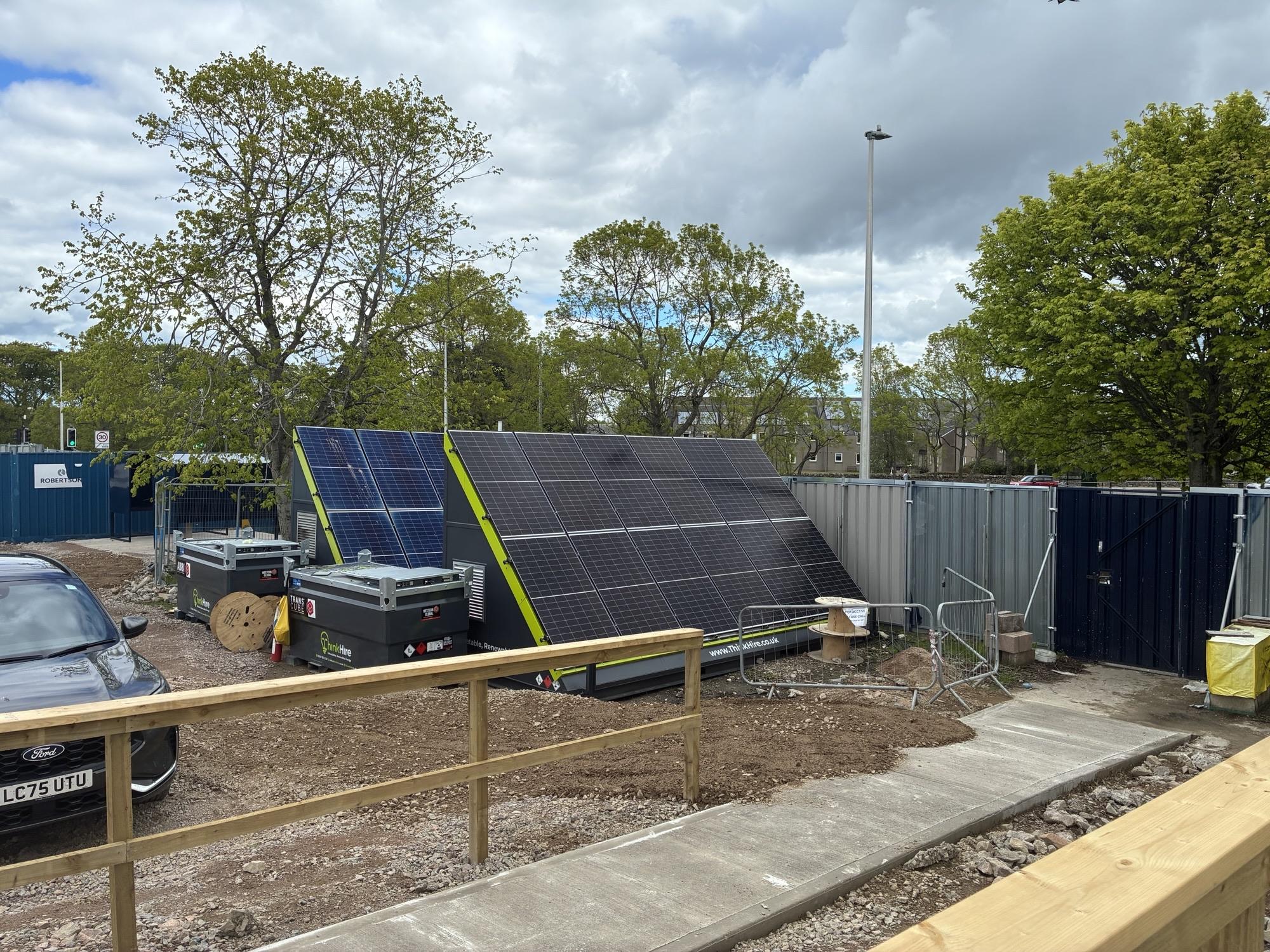
- Expanding the use of solar-powered site welfare and temporary energy solutions, following successful trials and supply chain collaboration.
- Bringing employees, suppliers and industry partners together through our Sustainable Plant Event to showcase lower-carbon plant, equipment and emerging technologies.
- Signing the Circularity in Practice Pledge, reinforcing our commitment to reducing resource use and supporting circular economy principles.
- Reducing construction waste generation intensity by 32% during 2025–26, with 99.27% of construction waste diverted from landfill.
Carbon Footprint+
We have expanded our approach beyond our operational footprint to better understand emissions across our value chain.
Our Carbon Footprint+ programme combines spend-based emissions reporting with actual carbon data from preferred suppliers and manufacturers. During 2025–26, we analysed £706.7m of spend, identifying an estimated 207,286 tonnes CO2e of supply chain emissions. Around 92% of those estimated emissions are associated with subcontractors, materials and plant.
This provides a baseline from which we can improve supplier and product-level data, identify carbon hotspots and work with our supply chain to target meaningful reductions.
Watch the video below.
Customer support
- Helping customers manage whole-life carbon, resource efficiency and evolving sustainability requirements through our project teams and specialist support.
- Delivering low-carbon and energy-efficient buildings, infrastructure, retrofit and decarbonisation projects across the UK.
- Using the experience of Robertson Timber Engineering to expand the use of mass timber and offsite manufacture, helping reduce embodied carbon and improve construction efficiency.
Delivering sustainable construction projects for our customers


Carbon Management Plan 2030
Our long-term ambition remains to generate zero emissions from our offices, fleet and construction sites within our operational control by 2030, while continuing to reduce emissions across our wider value chain.
Actions supporting this include:
- 100% of company cars are now electric vehicles.
- Continued investment in lower-carbon site set-ups, plant and temporary energy solutions.
- Renewable energy tariffs and improved energy management across our operations.
- Building capability through Next Step Zero programme and regional Net Zero Champions.
- Working with customers and supply chain partners to address whole-life carbon and accelerate the transition to a more sustainable built environment.
Sustainability overview
Return to our sustainability overview to explore our sustainability targets, our journey, downloads, partners and more.